
Coverage line
Contractors Equipment
The excavator, the trencher and the tools that leave the yard every morning — what a floater generally reaches, and what it hands to another policy.
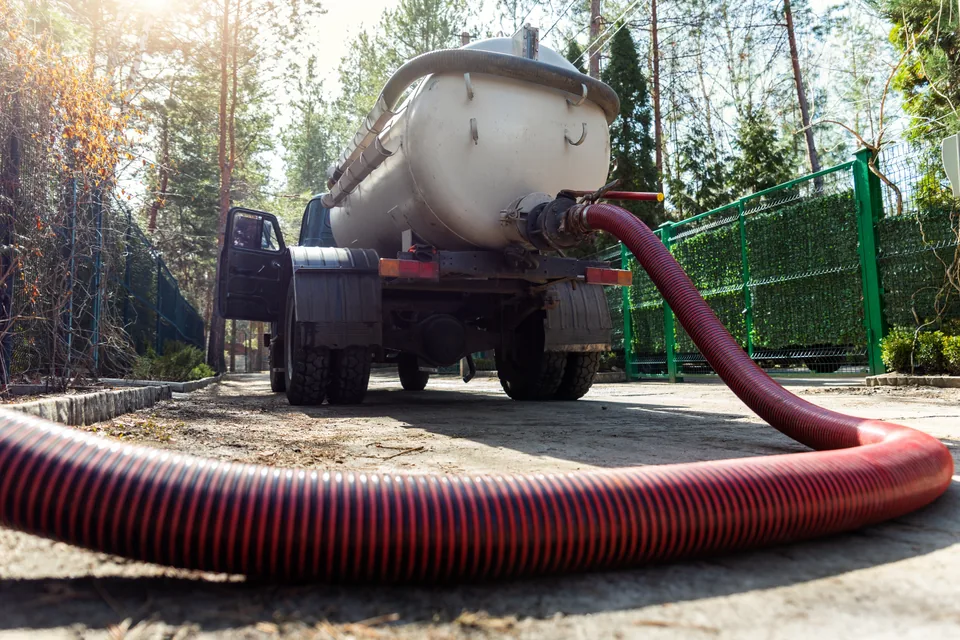

Contractors equipment insurance is inland marine coverage on the machines a septic business owns and moves: the excavator, the mini-excavator, the trencher and the tools that leave the yard every morning. It generally answers for physical loss or damage to those machines themselves, wherever they are inside the policy territory rather than at one fixed address. The reference definition describes inland marine as insurance on “movable property that may not remain at a fixed location”, which is why the form follows a machine instead of a building. What it does not decide is what the machine does to other people, or what the truck underneath it is.
Why an Excavator Is Insured as Moving Property, Not Building Contents
Standard property forms were designed to cover property at fixed locations, and a septic business’s most valuable property spends its working life away from the address on the declarations page. Construction firms move equipment and tools from job site to job site, and the risk moves with them. Many inland marine forms answer “without regard to the location of the covered property”, and such location-free forms are commonly called floater policies.
Inland marine is a branch of first-party property insurance — the kind that indemnifies an owner or user against property it loses — and as a group these forms generally run broader than standard property coverage forms. The regulators’ standard marine definition asks that qualifying property be movable, be in transit, or otherwise relate to transportation.
The equipment floater is the specific creature inside that family: property insurance on equipment that is often moved from place to place, classed by the reference work as a form of inland marine. Most are written on open perils, meaning loss from “all causes except those that are specifically excluded”. That is not a promise: wear and tear, inherent vice and employee dishonesty are named among the common inland marine exclusions.
The Machines a Septic Crew Puts on the Ground
One compact excavator maker lists septic utility work among its stated applications, next to basic trenching for ponds and ditches, and next to rentals. Trenchers come in walk-behind, stand-on and ride-on configurations, and one line spans trenching, plowing and microtrenching. The same maker sells a matched trailer for loading and unloading — a detail that matters again further down.
The federal onsite wastewater manual is more particular about the ground than an equipment catalog is. Lightweight backhoes are most commonly used on these installations; front-end loaders and blades should not be used there; and excavation can significantly reduce soil porosity and permeability, with compaction and smearing of the infiltrative surface occurring from equipment traffic and vibration. That is why an owner’s schedule is rarely a single machine.
Scheduled Items, Blanket Limits, and the Upkeep Each One Asks For
Scheduled limits are separate property insurance limits applying to each type of covered property at each covered location; the reference work gives specific limits as the synonym. A blanket limit is a single limit applying over more than one location, more than one property type, or both. Nothing read for this page ranks them: they are different shapes with different upkeep, and the upkeep is what owners underestimate.
One real equipment endorsement, on the record in a state appeals court decision (2012), set the limit for each item from a list the insurer held at its own premises and carried a separate declared limit for unlisted items — one form running scheduled and blanket side by side. A second form read for this page covers unidentified property described only by category; a treatise quoted in a state supreme court decision (2019) calls modern inland marine a general floater of that kind.
In a dispute decided by a state appeals court (2013), the insured had been submitting annual lists of scheduled equipment, and each increase in coverage followed from those lists. Blanket removes the itemizing, not the valuing — coinsurance generally penalizes recovery when the limit purchased is not equal to the required value, and that shortfall is commonly called a coinsurance penalty.
A comparison in two columns. The first column holds the losses an equipment floater generally meets on septic work: physical loss or damage to an owned machine wherever it works, since most floaters are written on open perils; loss while owned property rides overland between locations; rented equipment or tools, but only while in your care, custody or control and where you accepted responsibility for them; and unlisted items described only by category, under a blanket or unscheduled limit, where coinsurance can still cut the recovery. The second column holds causes commonly named among inland marine exclusions: wear and tear, inherent vice, and employee dishonesty. Whether any loss is paid depends on the wording and the facts. No figures are shown.
What an Equipment Loss Is Worth on the Day the Claim Is Paid
Actual cash value is only one of the ways to establish what insured property is worth. One route is the cost to repair or replace minus depreciation; another is fair market value; a third weighs all relevant evidence bearing on value, a rule that has evolved in some states only. Depreciation is a decrease in value from age, wear and tear, or obsolescence, and it is what is subtracted to reach actual cash value.
Replacement cost is the cost to replace with materials of like kind and quality, “without any deduction for depreciation”, and the two are described as the primary property valuation methods. The basis is not a promise, though. One real form would not pay on a replacement cost basis until the property had actually been repaired or replaced, and otherwise fell back to actual cash value; a state appeals court held (2012) that the endorsement was not ambiguous.
Agreed value is the third phrase owners hear, and it does not mean what it sounds like. In the standard wording it is a commercial property provision that suspends coinsurance until a stated expiration date, and insurers generally require a signed schedule of values from the insured. It is one way to avoid a coinsurance penalty, not an agreement about what anyone will be paid.
Rented and Borrowed Machines Are a Separate Question
Renting is ordinary in this trade; one compact excavator maker lists rentals among the everyday uses of the machine. One floater on the record in a state supreme court decision (2019) named rented equipment or tools among the covered property. The attachment was conditional twice over: only “while they are in your care, custody or control”, and only where the insured had accepted responsibility for them.
Leased, rented and borrowed are not one thing. A different endorsement waived its coinsurance penalty on items leased, rented or borrowed from others, and that relief ended as soon as the item was shown as a listed item. Same words, different mechanisms, in two forms an owner could be offered in the same week.
This is not a liability question, because most liability forms eliminate coverage for damage to property in the insured’s care, custody or control, and that exposure is expected to be answered by other, more specific forms of insurance. Most property policies separately bar coverage written for a bailee’s benefit, while inland marine as a family does reach the legal liability exposures of bailees.
A hub-and-spoke diagram. At the center is the equipment floater, inland marine coverage that generally follows an owned machine rather than an address. One spoke is the excavator or trencher at any site inside the policy territory, which the floater generally answers for physical loss or damage. One spoke is the trailer under the machine, which meets the auto definition and belongs to commercial auto. One spoke is the vacuum pump mounted on a self-propelled truck, an open question to put in writing against the specific wording. One spoke is what the machine does to other people and their property, which is general liability’s job. One spoke is the septage question itself, which belongs to pollution liability. The last spoke is what is parked or stored at your own address, which is commercial property’s job. No figures are shown.
The Ride Between Jobs, and What the Securement Rules Expect
Transit coverage is the inland marine piece that follows owned property overland between locations. The seam has to be named in the same breath. The standard definition of an auto takes in a trailer or semitrailer meant for the public road and expressly excludes mobile equipment, and that split decides which liability policy answers. The trailer under your excavator is a commercial auto question; the machine riding on it is generally the floater’s.
A state supreme court held (2014) that policy text making a vehicle designed for travel on public roads an auto excluded trailers from the liability form in front of it. The point for an owner is that the two policies are not interchangeable, and a certificate naming one does not answer for the other.
Federal rules govern the transportation of heavy equipment and machinery that operate on wheels or tracks. The rule is about restraint in every direction rather than about particular hardware: accessory attachments like a hydraulic shovel must be fully lowered and secured, articulated machines must be restrained against articulating while in transit, and tiedowns must restrain movement laterally, forward, rearward and vertically. Cargo must not leak, spill, blow or fall from the vehicle.
The Pump Truck Question We Ask Before Anyone Quotes It
Here is the question this page deliberately will not answer, because the material behind it cuts against the obvious answer. Your pump truck is a chassis, a tank and a pump. A septic truck builder has the buyer choose the pump and choose the chassis separately, and notes that these trucks operate in harsh, corrosive conditions. Separate procurement is evidence about how the unit is bought, not about which policy responds when the pump is destroyed.
The policy definitions point away from the assumption. In a mobile equipment definition on the record in a state supreme court decision (2014), the prong that expressly names air compressors, pumps and generators reaches only vehicles that are “not self-propelled and are maintained primarily to provide mobility” to that permanently mounted equipment. The other prongs turn on design for use principally off public roads, on crawler treads, on vehicles kept solely on or next to premises you occupy, and on permanently mounted power cranes, shovels, loaders, diggers or drills. A parallel definition read in a state supreme court decision (2001) states that self-propelled vehicles carrying that permanently attached equipment are considered autos instead.
A septic pump truck is self-propelled. So the question to put in writing to whoever is quoting you, against the wording of that specific policy, is this: does the mounted vacuum pump sit with the equipment floater, with commercial auto physical damage, or with neither? We do not have an answer that would be honest across every carrier, and we would rather raise the question than hand you one that reads better than the forms support.
The Wording on Your Own Policy Is the Wording That Decides
Nothing above states what your policy does. It describes shapes that recur — how a floater generally follows the machine rather than an address, how scheduled and blanket differ in upkeep, how a valuation basis is usually conditioned rather than promised — and every one of them depends on the exact wording in front of you and on the exact facts of the loss.
What a machine does to other people and their property is general liability’s job, with the septage question itself belonging to pollution liability; what is parked or stored at your own address is commercial property’s job. Then pull your declarations and find whether your items are listed or unlisted, what the valuation clause says, how rented and borrowed equipment is described, and what the form says about equipment mounted on a truck.
This page describes how these forms generally behave, not how yours does — and the two real forms read for it were not alike. Send us the declarations page and the equipment schedule and we will read the wording against the machines you actually run, starting with the pump truck question.
Related coverage for septic business owners
- General Liability
- Pollution Liability
- Workers Compensation
- Commercial Auto
- Commercial Property
- Professional Liability
The work we write
- Septic Installation Insurance
- Septic Pumping & Cleaning Insurance
- Septic Repair & Maintenance Insurance
- All services
From the blog
Primary sources
- EPA — Onsite Wastewater Treatment Systems Manual — The federal manual on how these systems are built, including what equipment traffic does to the infiltrative surface.
- eCFR — Specific securement requirements for heavy vehicles, equipment, and machinery — The federal securement rule that governs how a machine rides between jobs.
Contractors Equipment questions we get asked
If my mini-excavator is destroyed, do I get a new one or only what the old one was worth?
That depends on the valuation clause, and the two common answers are different. Replacement cost is generally described as the cost to replace with materials of like kind and quality with no deduction for depreciation; actual cash value is one of several methods of establishing value, usually reached by taking depreciation off replacement cost, sometimes by fair market value, sometimes by weighing all relevant evidence. One real equipment form paid on a replacement cost basis only after the property had actually been repaired or replaced, and otherwise fell back to actual cash value. Read your own valuation clause before you assume the basis.
Does the floater still reach the excavator when it is parked in my yard overnight?
Generally yes, because that is what makes these forms different: many inland marine forms are written to respond without regard to the location of the covered property, which is why they are commonly called floaters. Standard property forms were designed for property sitting at fixed locations instead. The building, the shop and what is stored in them are the commercial property conversation, so read this page alongside the commercial property page rather than in place of it.
The trailer I haul the excavator on — is that on this policy or on the truck policy?
Usually the truck policy. The standard definition of an auto reaches any land motor vehicle, trailer or semitrailer built for the public road, and it expressly excludes mobile equipment from its scope — so a road trailer is generally an auto question and the machine riding on it is generally the floater’s. A state supreme court held (2014) that policy text making a vehicle designed for public roads an auto excluded trailers from the liability form in front of it. Take the trailer itself to the commercial auto page.
I rented a trencher for one job. Am I on the hook if it comes back damaged?
Probably in part, and the wording decides how much. One equipment floater on the record in a state supreme court decision (2019) named rented equipment or tools among covered property, but only while those items were in the insured’s care, custody or control and only where the insured had accepted responsibility for them. A different endorsement waived its coinsurance penalty on leased, rented or borrowed items unless they were shown as listed items. Most liability forms, meanwhile, eliminate coverage for damage to property in the insured’s care, custody or control. Tell whoever is quoting you how often you rent, before the quote.
Is the vacuum pump mounted on my pump truck insured under this policy?
That is the question to put in writing, and this page will not answer it for you. The mobile equipment prong that expressly names air compressors, pumps and generators reaches only vehicles that are not self-propelled, and a parallel definition read in a state supreme court decision (2001) states that self-propelled vehicles carrying that permanently attached equipment are considered autos instead. A septic pump truck is self-propelled. Ask your agent, on your policy’s wording, whether the mounted pump sits with the equipment floater or with commercial auto physical damage, and get the answer in writing.
Do I have to list every machine and tool, or can I carry one limit over all of it?
Both shapes exist and neither is the winner. Scheduled limits are separate limits applying to each type of covered property at each covered location; a blanket limit is a single limit applying over more than one location, more than one property type, or both. One real form ran the two side by side, setting each listed item from a list the insurer held and carrying a separate declared limit for unlisted items. Blanket removes the itemizing, not the valuing — coinsurance generally penalizes recovery when the limit purchased falls under the required value, and that shortfall is usually called a coinsurance penalty.
Talk it through with someone who reads the forms
Tell us what you install, what you pump and who is on the crew, and we will read the forms against the work.